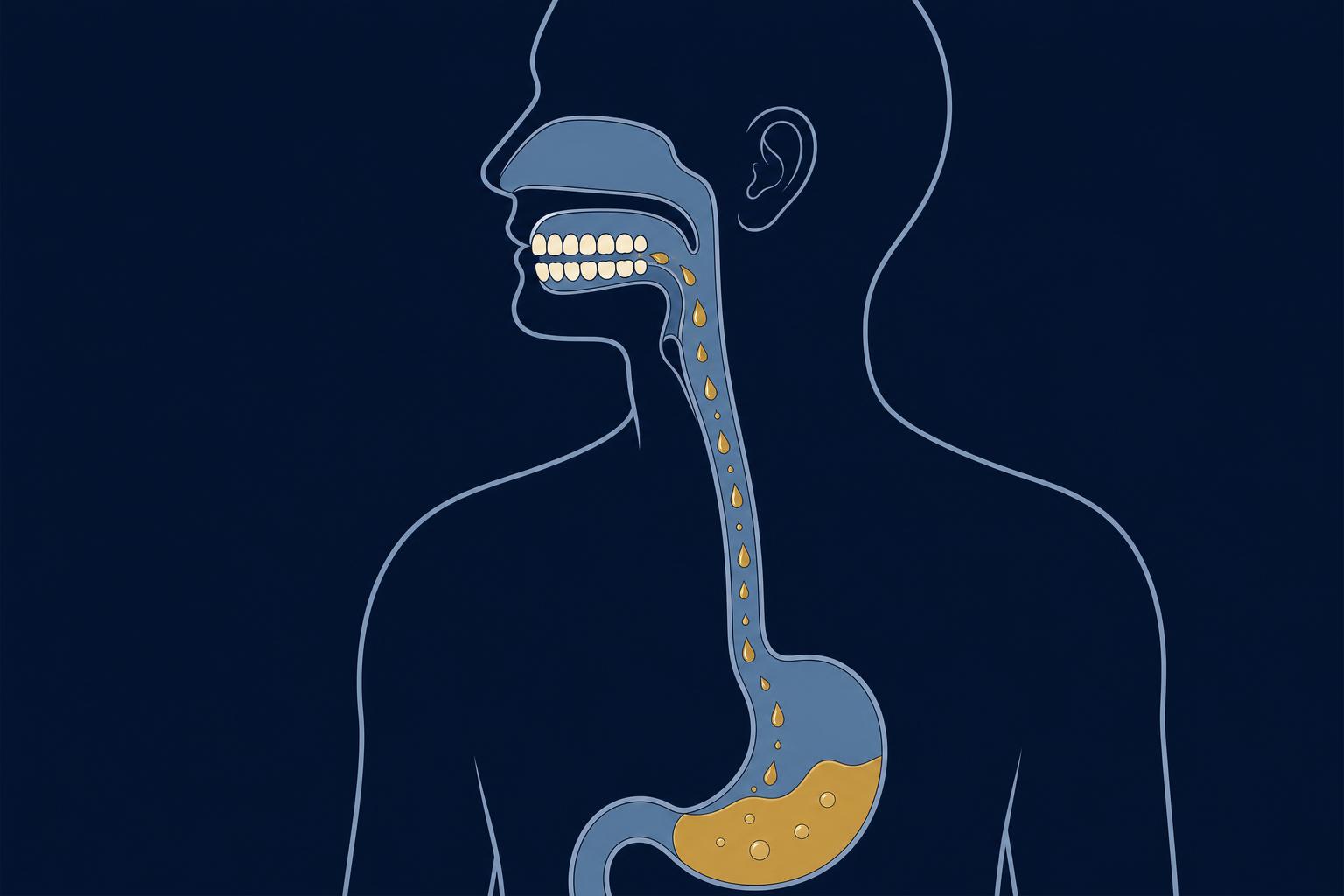
What acid reflux is.
Gastro-oesophageal reflux disease, or GERD, is a common condition in adults and a less common one in children. It develops when the contents of the stomach flow back up into the oesophagus, the food pipe that runs from the throat to the stomach, and cause troublesome symptoms or complications.
Stomach juice is strongly acidic. It contains hydrochloric acid together with pepsin, a digestive enzyme.
How acid wears enamel away.
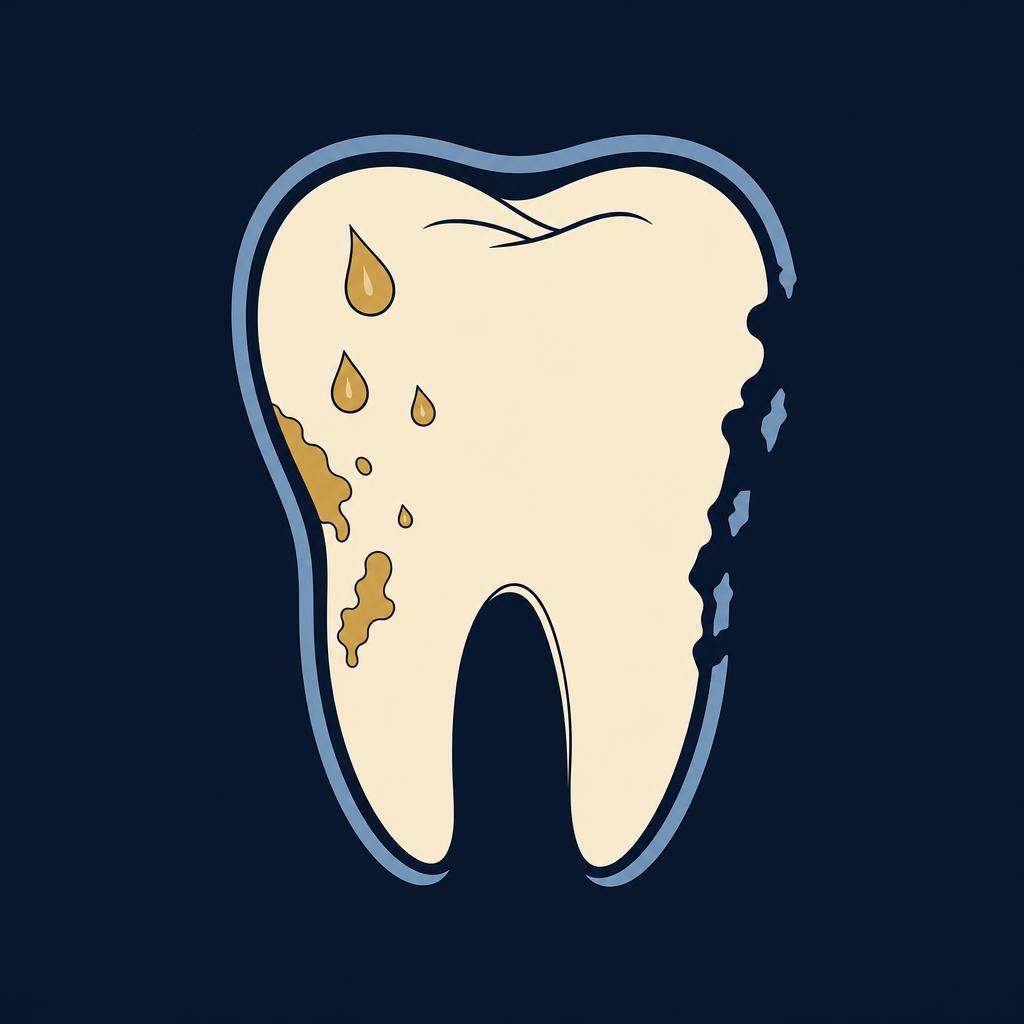
That acid does not stop at the throat. Tooth enamel is built from mineral crystals called hydroxyapatite, and these are damaged whenever they are exposed to a pH below 5.5. Refluxed stomach contents are often below pH 2.0.
The result is dental erosion: an irreversible loss of enamel through a purely chemical process, with no bacteria involved. It is not decay, and brushing does not prevent it.
How much damage occurs depends on how long and how often the episodes last, and on how well your saliva protects you. Once enamel has been softened, the tooth becomes more vulnerable to ordinary friction and abrasion. Biting surfaces flatten, and tooth structure is lost faster than it otherwise would be.
The signs, and the ones patients never feel.
Reflux announces itself in two places: in what you feel day to day, and in what a dentist sees inside your mouth. The two do not always arrive together.
Heartburn, chest discomfort or pain behind the breastbone, particularly on lying down.
Wear on the palatal surfaces of the upper teeth: the tongue-side surfaces, which sit furthest from the main saliva glands.
A chronic cough, hoarseness, a sore throat, or the need to clear your throat often.
Yellow dentine, the softer layer beneath the enamel, showing through at the biting edges of the front teeth.
Difficulty swallowing, excess mucus or post-nasal drip, or a lump-in-the-throat sensation.
Hollows and concavities appearing on the chewing surfaces of the back teeth.
Burning mouth, bad breath, pain in the upper stomach area, or laryngitis (inflammation of the voice box).
Fillings and crowns that appear to stand proud of the surrounding tooth, because the tooth around them has dissolved away.
A proportion of patients feel none of the symptoms above. The damage is there; the warning is not. This is why the dental examination sometimes finds reflux before the patient or their doctor does.
Reflux that travels the full length of the oesophagus and reaches the larynx (voice box) and pharynx (throat) is called laryngopharyngeal reflux, or LPR. It often produces throat and voice symptoms without the classic heartburn. In one group of patients presenting with voice and throat disorders, half were found to have LPR on 24-hour acid monitoring.
Why this matters beyond your smile.
What we can do.
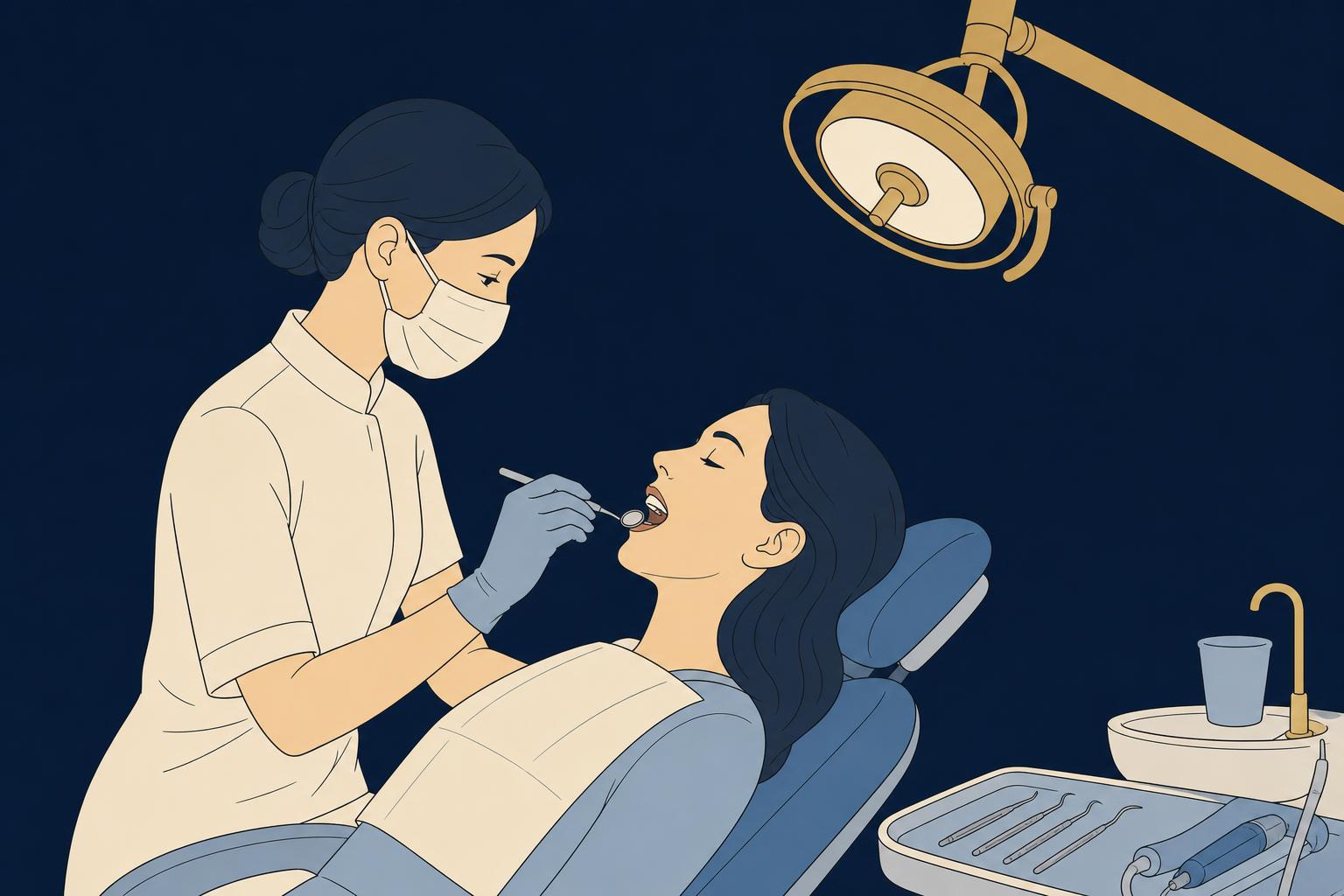
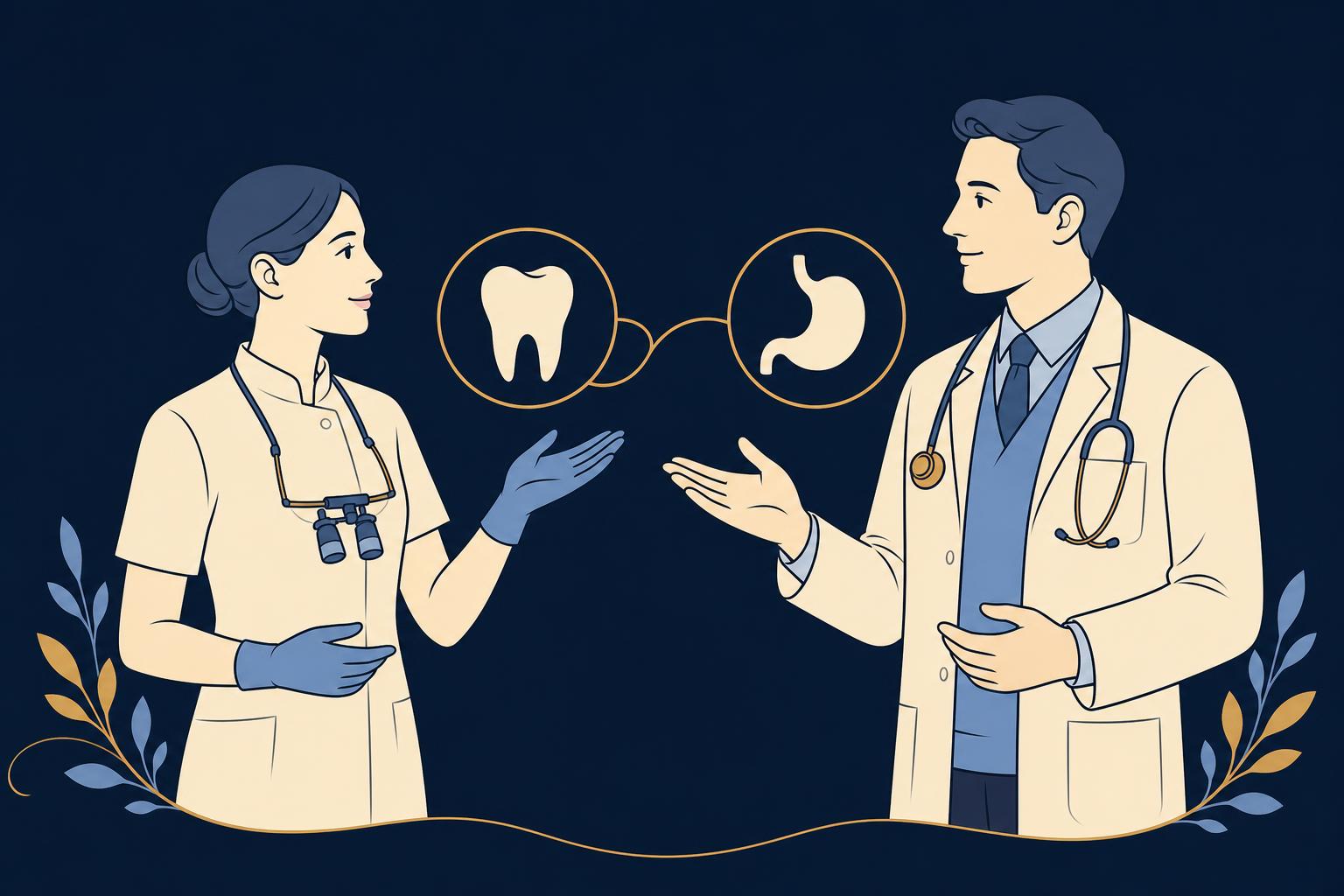
Dentists are well placed to educate patients and to refer them on to their medical practitioner. For tooth wear of this kind, a joint medical and dental approach is advised. In practice, that means three things.
Record and monitor your tooth wear over time, so that progression can be measured rather than guessed at.
Discuss the pattern of your symptoms with you, since the wear pattern and the symptom pattern together tell most of the story.
Refer you to your doctor for assessment where the findings point to reflux.
Where reflux is confirmed, its medical treatment is a matter for your doctor. We focus on protecting the teeth and, when the time is right, restoring them.
Worried about worn or thinning teeth?
An examination can tell you whether the wear pattern points to acid, grinding, or both, and what to do about it. Consultations are at Align Dental Surgery, Forum The Shopping Mall, Orchard.
This article is general in nature and is not a substitute for individual clinical or medical advice. If you recognise the symptoms described here, please speak to your dentist or your doctor.
Sources
- Howard JP et al. Gastrointestinal Conditions Related to Tooth Wear. Br Dent J 2023;234(6):451-454.
- Chatzidimitriou K et al. Prevalence and Association of Gastroesophageal Reflux Disease and Dental Erosion: An Overview of Reviews. J Dent 2023;133:104520.
- Mahajan R et al. Gastroesophageal Reflux Disease and Oral Health: A Narrative Review. Spec Care Dentist 2022;42(6):555-564.
- Zalvan CH et al. JAMA Otolaryngol Head Neck Surg 2017;143(10):1023-1029.